Irrigation Systems
Water budgets for arid climates.
Learn more about Irrigation Systems
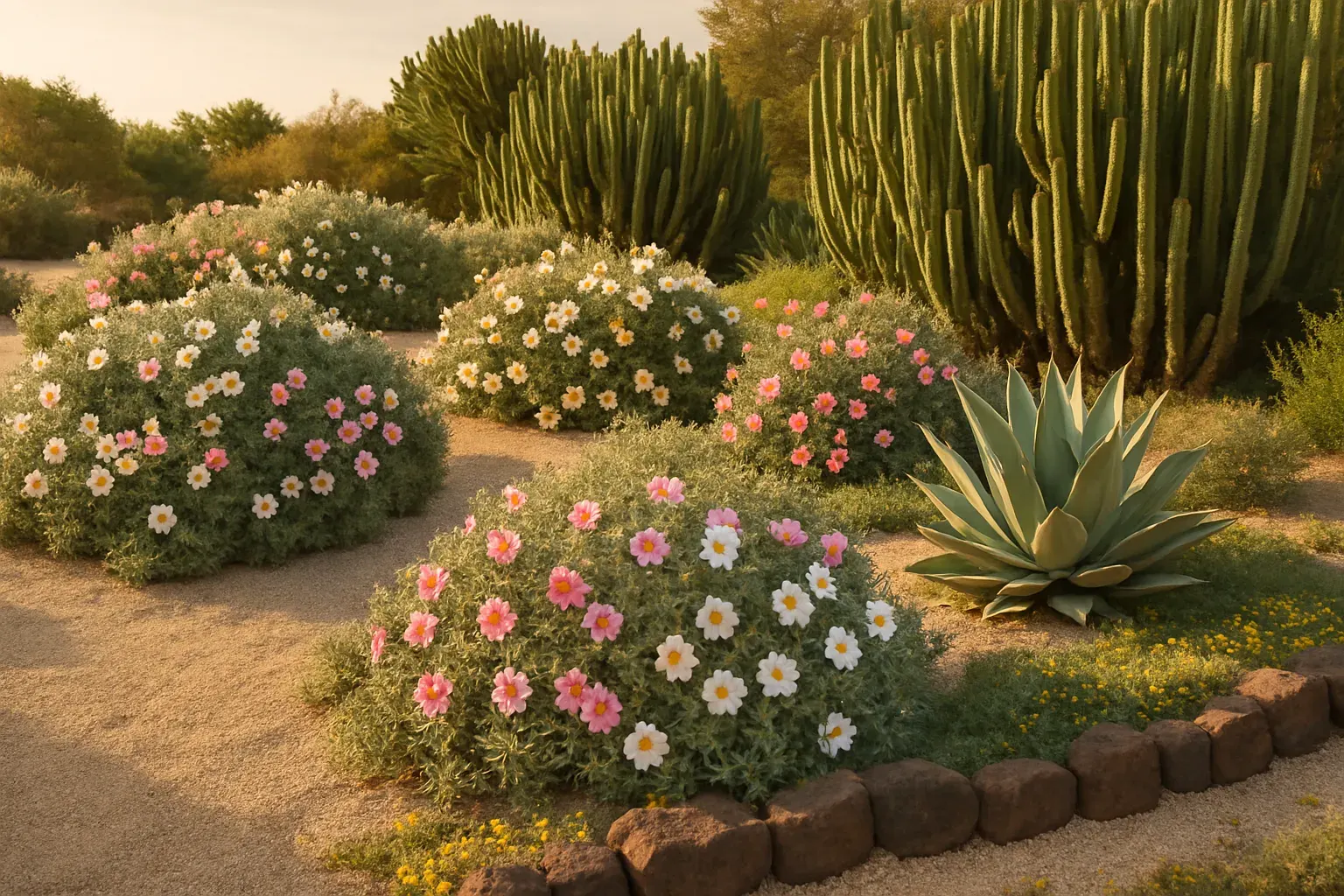
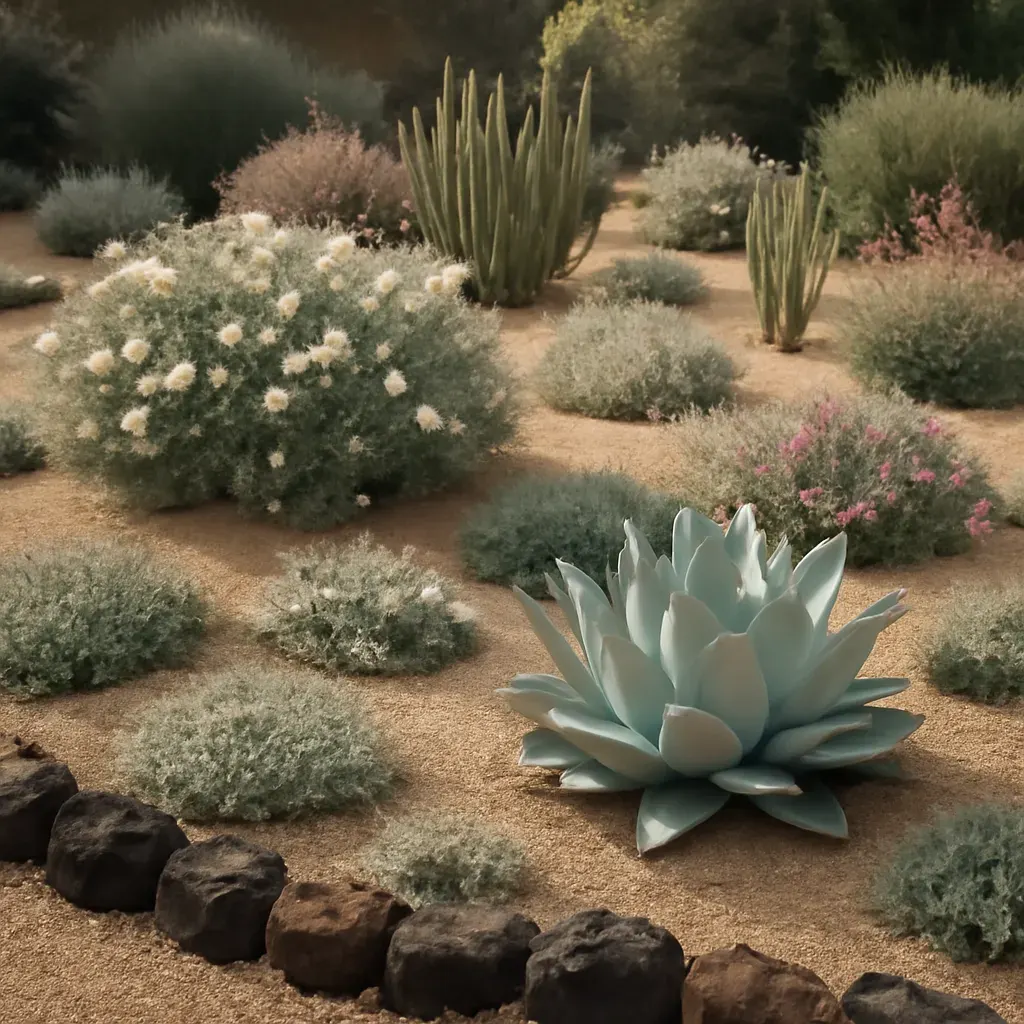
"Low-maintenance garden" in most operators' vocabulary means gravel and a handful of succulents. True xeriscaping is a design discipline — one that uses species that have evolved in arid conditions, groups plants by water need, improves soil moisture retention through organic amendment, and designs for aesthetic richness through every season of the year. The Canary Islands have something no other xeriscape context in Europe can match: an extraordinary native flora that is genuinely beautiful, genuinely drought-adapted, and genuinely local. Species such as Tabaibas, Bejeques, Canarian Lavender, Euphorbia species, and native grasses are not drought concessions. They are a design palette. We design gardens using this palette as a first resource, supplemented with drought-adapted species from comparable arid biomes where the design brief calls for it.
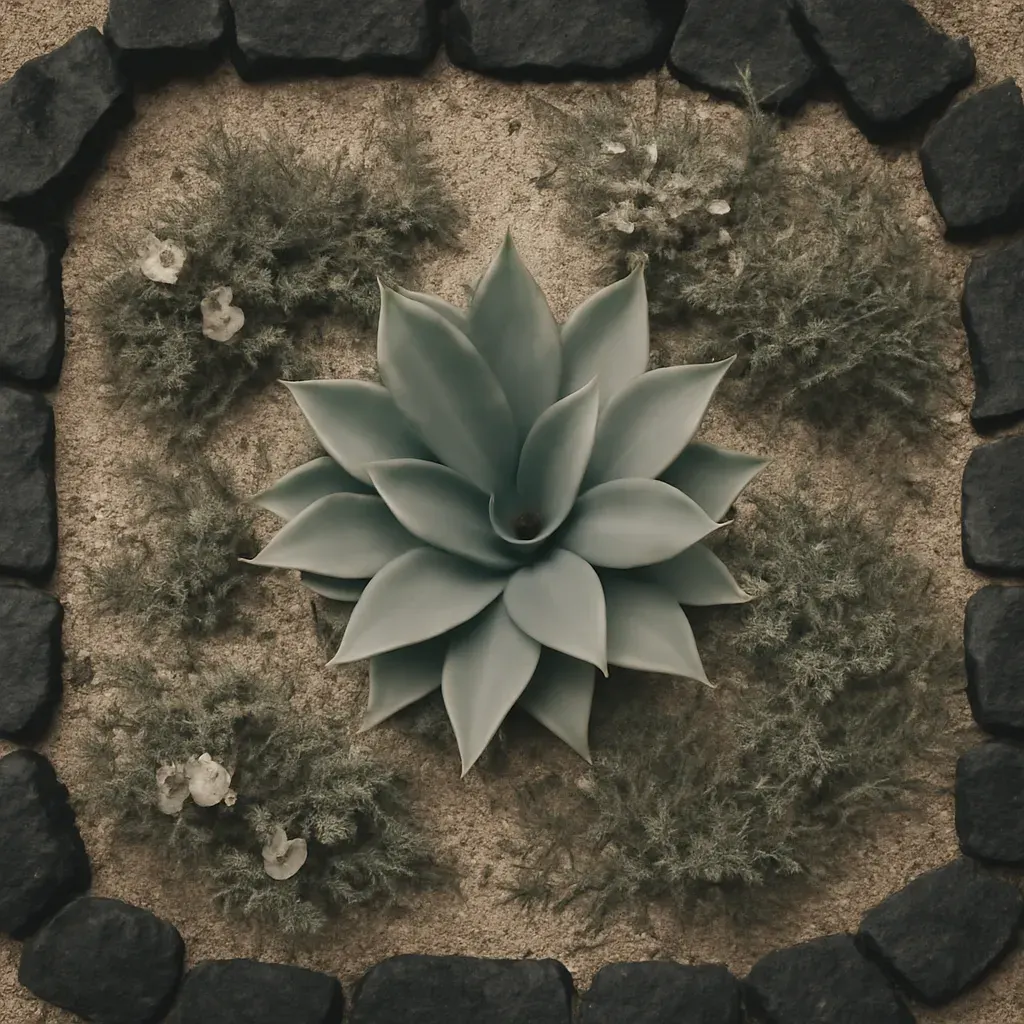
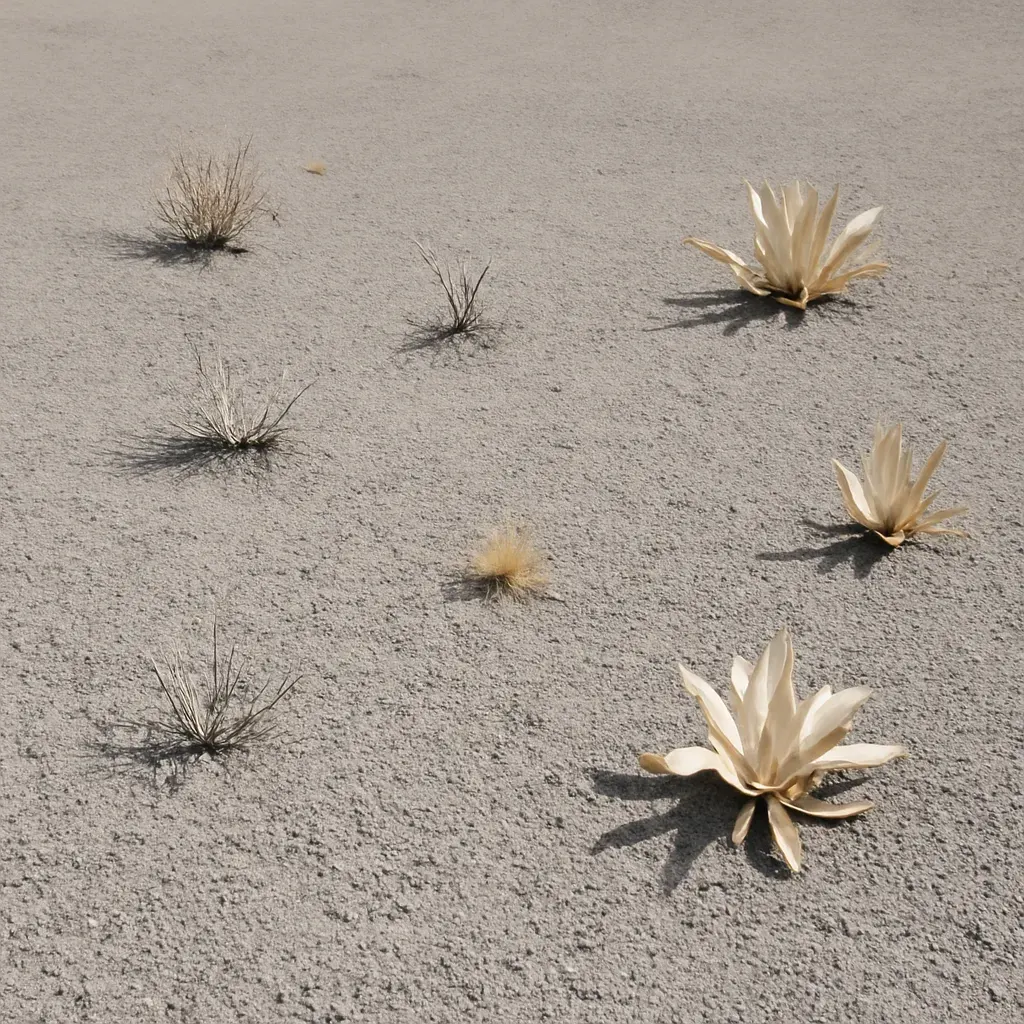
Before: A conventional planting scheme — Mediterranean shrubs on an indiscriminate irrigation schedule — struggling through a dry summer. After: Redesigned xeriscape with grouped hydrozones, organic mulch, and endemic Canarian species. Irrigation reduced by 60%. Garden in its second year showing flowering in early spring and structural form through summer.
The Canary Islands are one of the world's recognised biodiversity hotspots — a consequence of their isolation in the Atlantic and the range of microclimates across the archipelago. The native flora that has evolved here is not a reduced, stressed version of a Mediterranean garden. It is a sophisticated ecological community with its own structure, seasonal rhythms, and relationships with local pollinators.
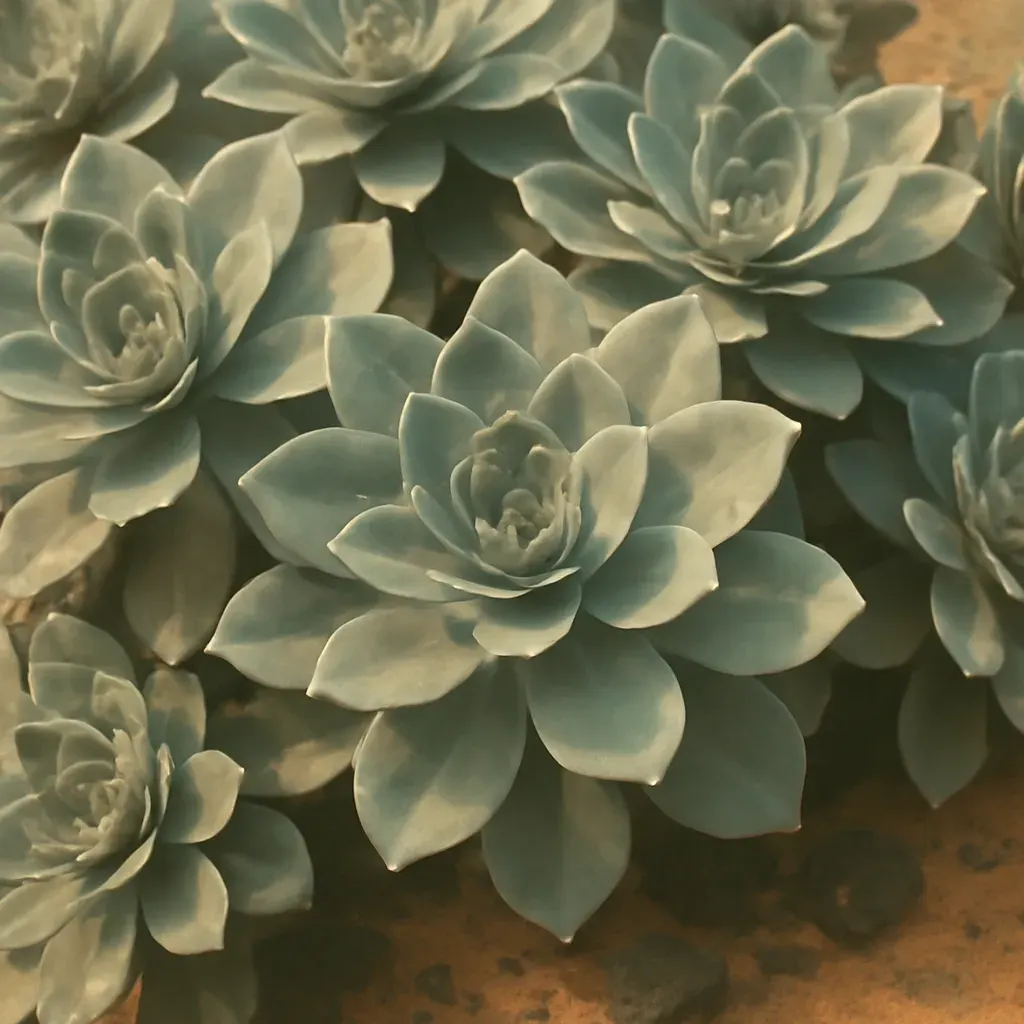
Tabaibas (Euphorbia regis-jubae and related species) are structural, wind-tolerant, and visually striking — their form changes through the seasons in ways that planted succulents do not. Bejeques (Aeonium) produce dense rosettes that create strong textural contrast and produce vivid yellow-orange flowering spikes in late winter and spring. Canarian Lavender (Lavandula canariensis) is fragrant through autumn and a documented food source for endemic Canarian pollinators. Native grasses provide movement, texture, and habitat value without any irrigation after establishment.
This is not a substitute for a conventional garden. It is a different kind of garden — one that is visually richer in some ways, genuinely lower in maintenance and water cost, and that sits in the landscape rather than imposing on it.
We assess soil composition, drainage, water retention, sun zones, wind exposure, and existing vegetation. We test soil pH and organic content, and specify organic amendments to improve water retention before planting.
We produce a full planting design: species selection with notes on each plant's seasonal contribution, hydrozoning layout, soil preparation and mulch specification, and irrigation zone outline.
We prepare the soil with organic amendments, install mulch to specified depth to reduce evapotranspiration, and plant in the hydrozoned layout. Initial irrigation is set to establishment rates.
We return at 60 days to assess establishment, adjust irrigation, and make any species changes if a plant is not performing. We hand over a seasonal maintenance guide calibrated to the Canary Islands growing calendar.
Eco garden design and xeriscape projects start from €950, including site assessment, design plan, soil preparation, planting, and initial irrigation setup. Projects that include extensive soil amendment or irrigation system installation are quoted after the site assessment. The site assessment is free.
Book a Free Site AssessmentFill in the form below and we will contact you within 24 hours to arrange a free on-site assessment. No commitment required.