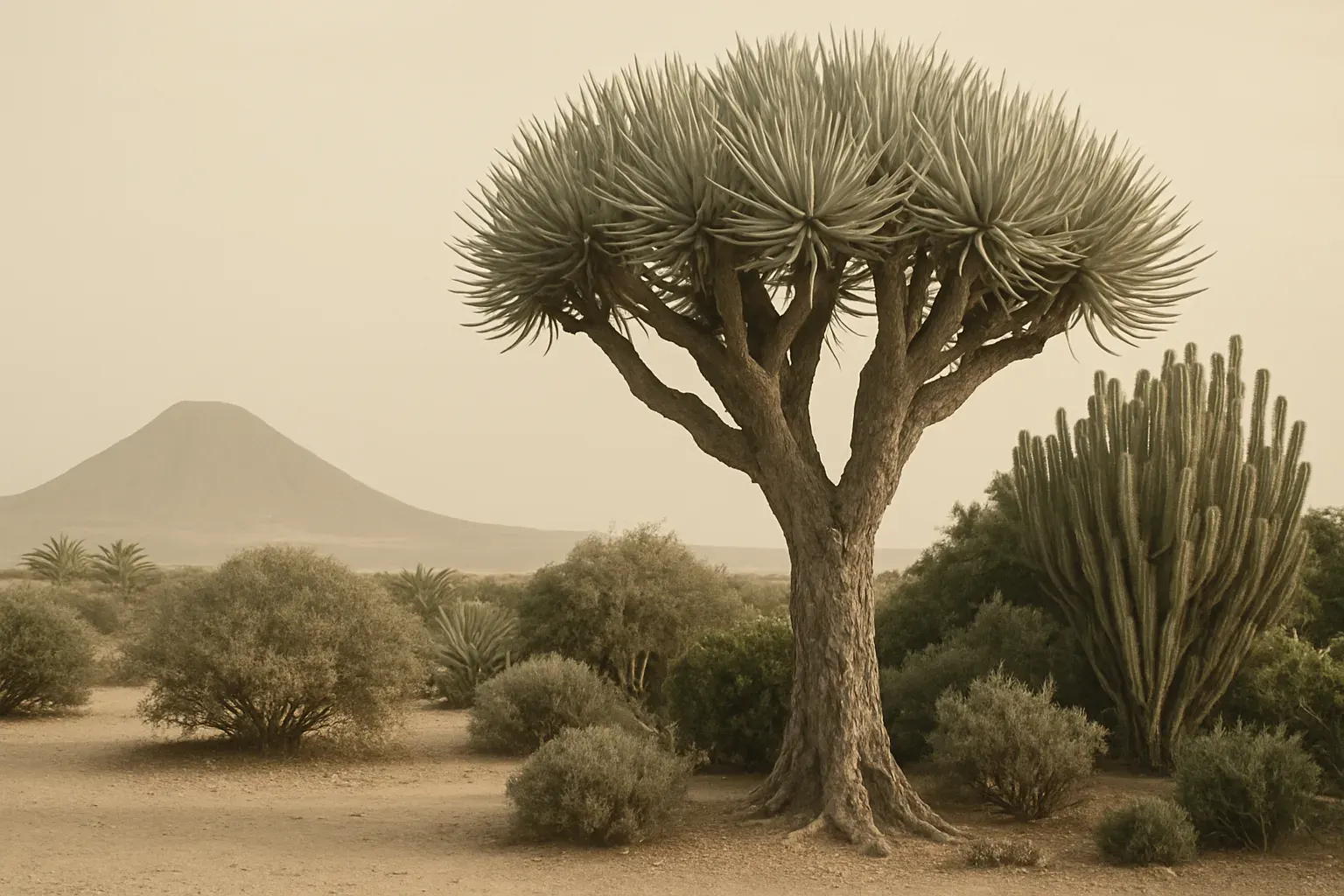

Lawn Care & Maintenance
Drought-tolerant turf management calibrated to the Canary Islands calendar.
Learn more about Lawn Care & Maintenance
Trees in the Canary Islands face stresses that temperate-climate tree care advice does not address. The northeast Trade Winds impose continuous wind loading that causes gradual structural weakness, windburn on exposed foliage, and in dense-canopied specimens, real risk of wind-throw during winter storm systems. Low soil moisture during dry seasons stresses root systems that are already competing with volcanic substrate. And calima events — the hot, dust-laden southerly winds from the Sahara — can cause acute foliar damage that looks like disease but is not. We assess and treat trees and established shrubs using methods calibrated to these specific stresses: wind-resistance pruning that reduces crown density without compromising tree health, organic soil amendment for drought resilience, and non-toxic pest and disease management.
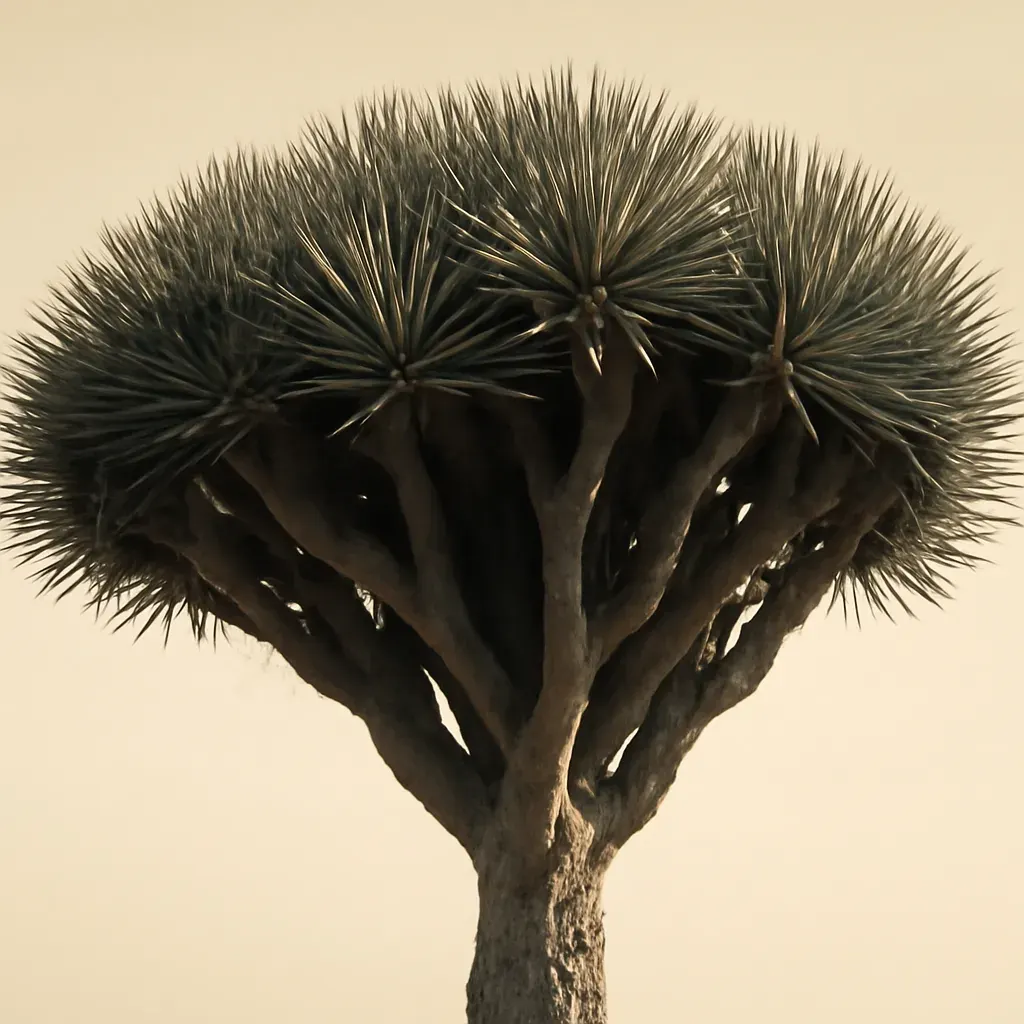
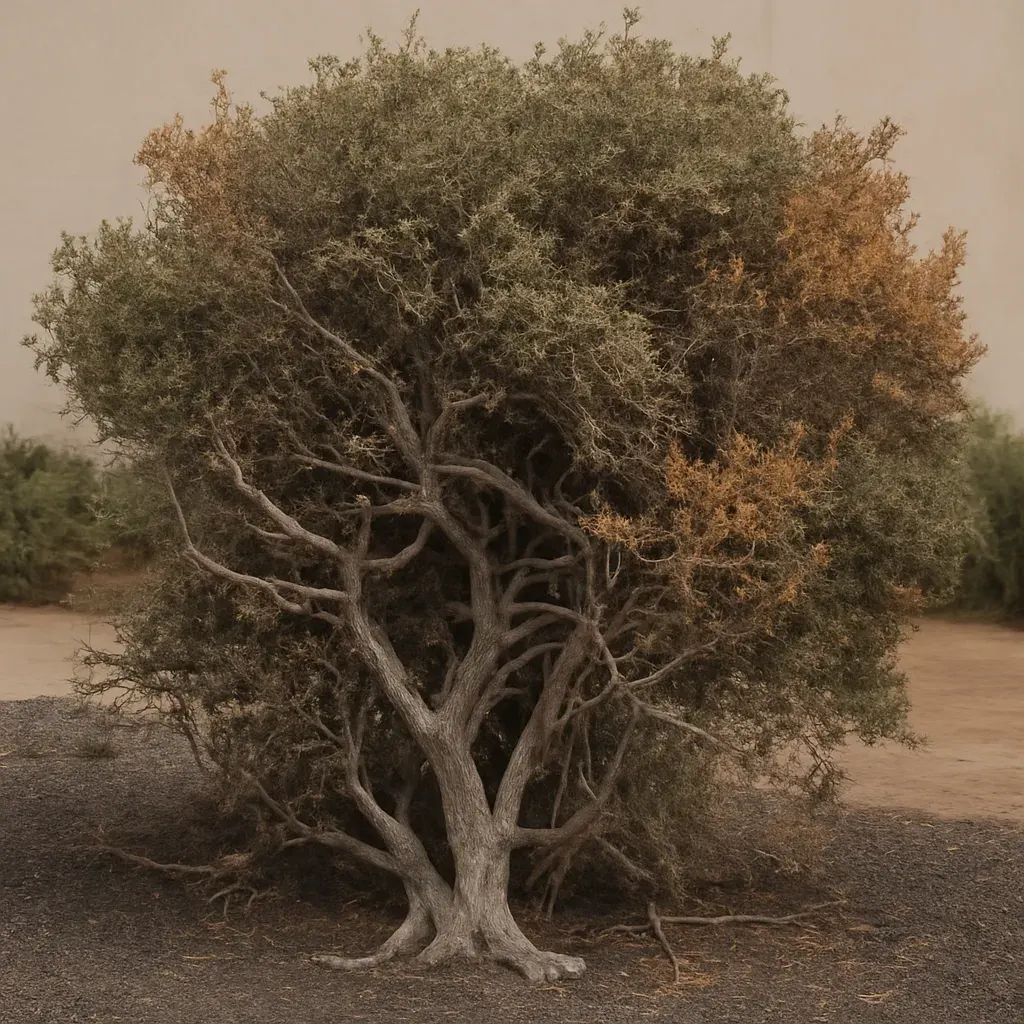
Before: A mature specimen Phoenix canariensis with a dense, unpruned crown — high wind-loading and several deadwood limbs creating storm risk. After: Crown thinned by 30% to reduce sail area, deadwood cleared, root zone aerated and organically amended. Crown health improved in the following season.
Most general gardeners prune for appearance: they cut to a shape that looks neat. Wind-resistance pruning is a different discipline — it requires understanding how wind loads interact with crown density, how to reduce that load without creating secondary stress points, and which cuts promote healthy regrowth versus which create entry points for disease.
The goal in wind-resistance pruning is to open the canopy — reducing the surface area that catches wind without removing so much foliage that the tree cannot photosynthesize effectively. This is not about making a tree look smaller. It is about letting wind pass through rather than push against it.
For property owners managing Canary Islands real estate from abroad, this matters in a direct financial sense: a well-pruned tree with reduced wind-throw risk is less likely to damage structures, vehicles, or other planting in a winter storm. We assess storm risk explicitly before each autumn pruning season and flag trees that require priority attention.
The Trade Wind calendar also shapes our pruning timing. Heavy pruning during the Trade Wind peak (typically July–September) can stress trees that are already managing wind exposure and low soil moisture. We schedule according to the seasonal cycle, not a calendar copied from a mainland European arboricultural guide.
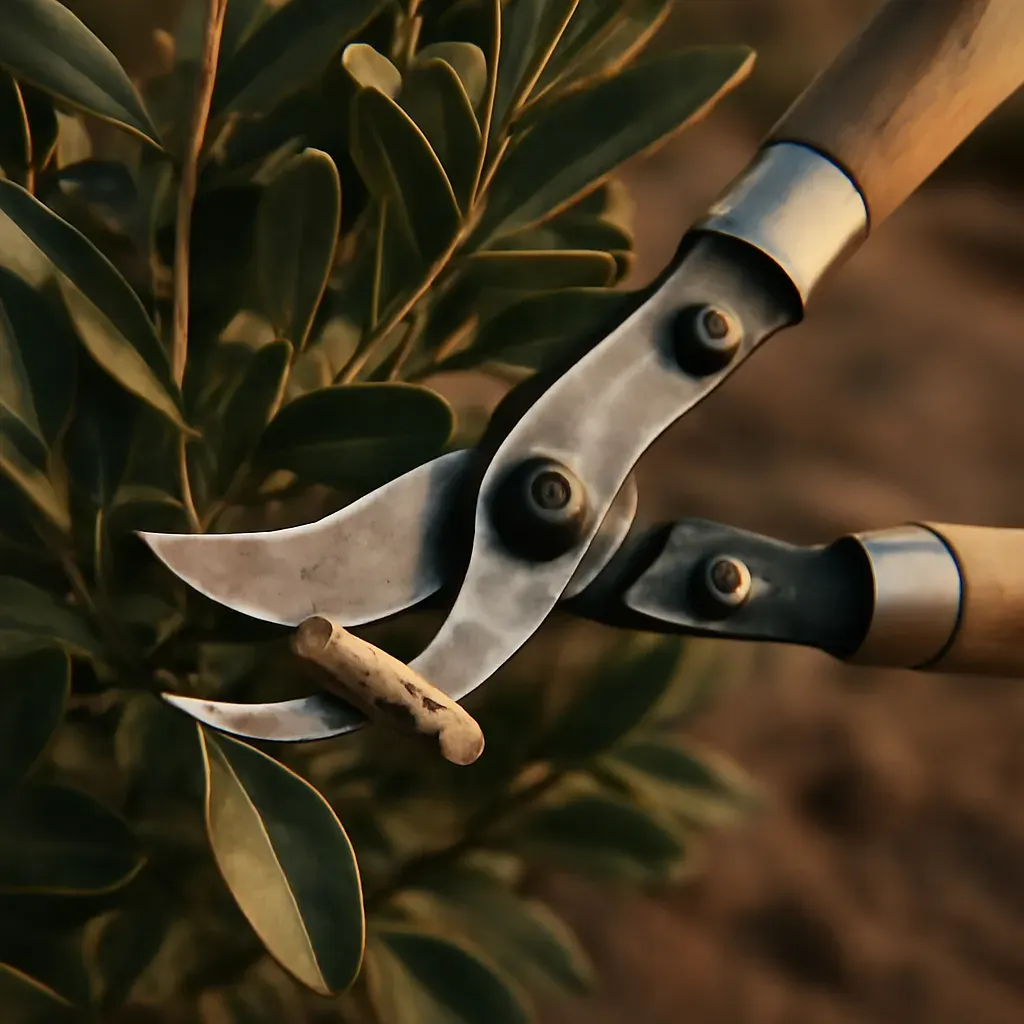
We inspect each tree and shrub on the site: structural integrity, crown density, deadwood, root zone condition, and any visible signs of pest or disease. We record our findings and flag any storm-risk trees for priority attention.
We produce a written seasonal care plan calibrated to the Trade Wind calendar — specifying when to prune, when to apply soil amendment, and when to inspect for calima or storm damage. We present this before any work begins.
We carry out pruning to the agreed specification, remove deadwood, aerate and amend the root zone, and apply any non-toxic treatments identified in the assessment. Work is documented with photographs.
For clients on a maintenance programme, we monitor tree health at each visit and update the care plan annually. We flag changes in condition — particularly in the period approaching the winter storm season.
Tree and shrub care sessions start from €150 per session, depending on the number of trees, the species, and the extent of work required. Storm-damage assessment visits following a weather event can be arranged with short notice. Annual care programmes for multiple trees or larger properties are priced based on the full scope after the initial assessment. The initial assessment is free.
Book a Free Tree AssessmentFill in the form below and we will contact you within 24 hours to arrange a free on-site assessment. No commitment required.