Hardscaping & Paving
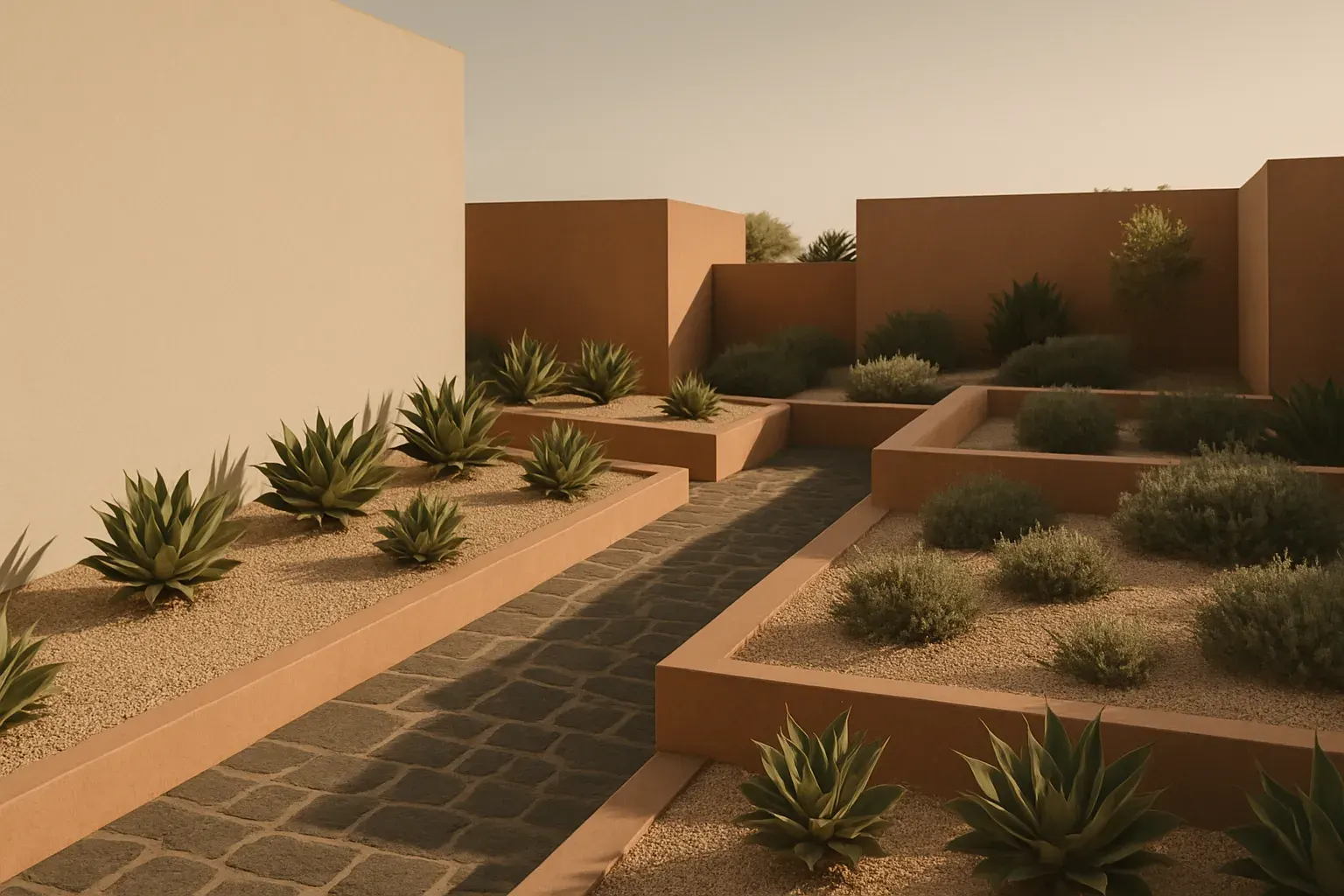
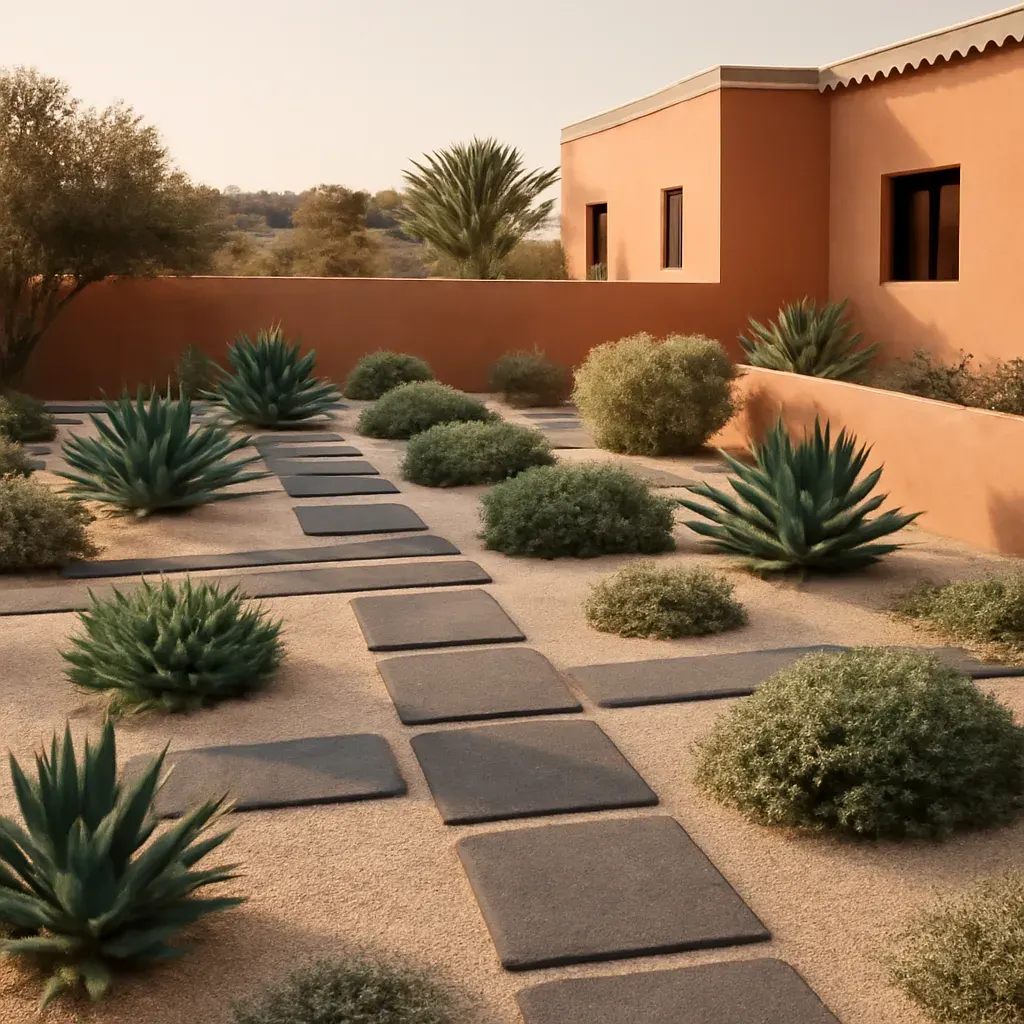
Volcanic stone, built for this terrain.
Learn more about Hardscaping & Paving
A landscape design that works in the Canary Islands starts with a formal site assessment — mapping wind direction, sun arc by season, soil pH and drainage, and how the space is actually used. Without it, every plant choice and layout decision is a guess calibrated to the wrong climate. Most designs presented to property owners in the Canary Islands are adapted from mainland Spain or Northern European templates. They look plausible on paper and often look fine in the first season. By the second dry summer, the problems are visible: water-hungry species wilting, east-facing beds scorched by thermal radiation off volcanic walls, shallow-rooted specimens damaged by winter wind. We start with your specific site. We document what we find. Every decision that follows comes from that documented assessment.
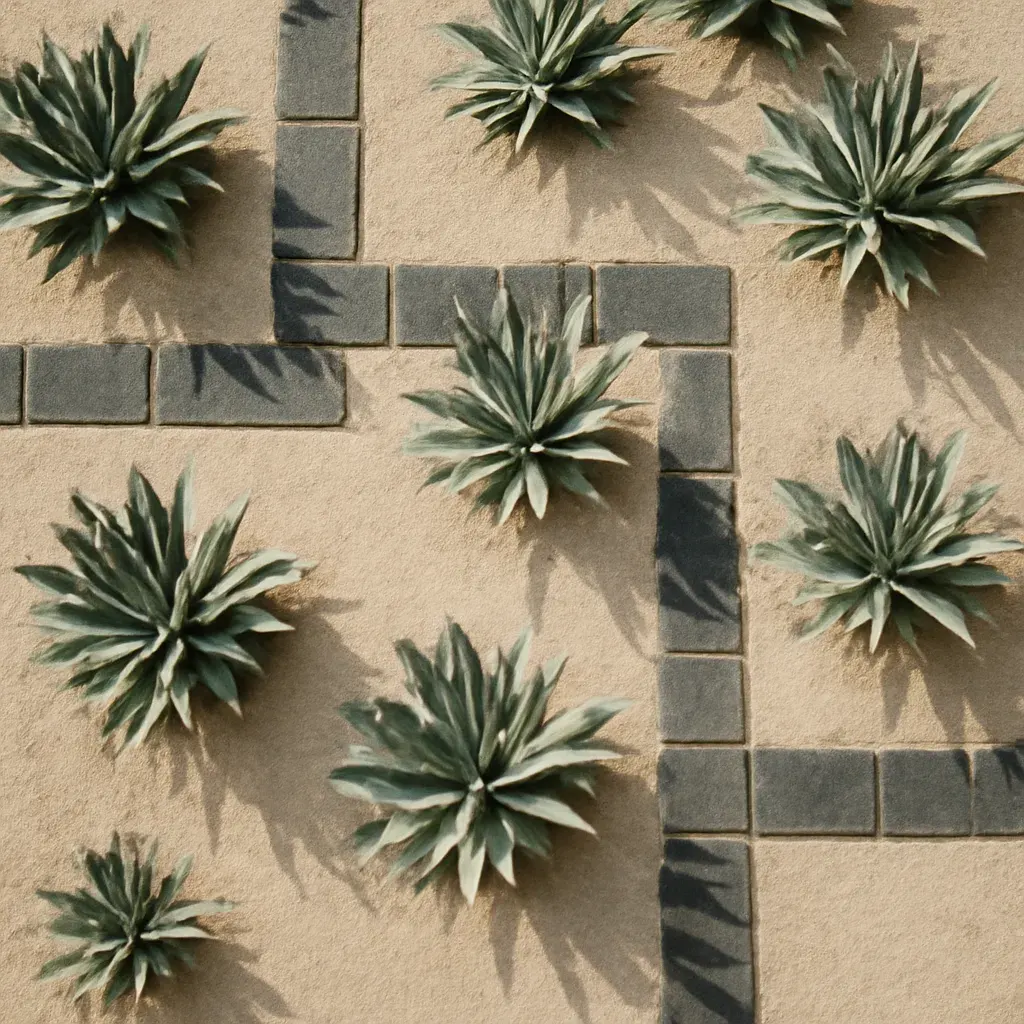
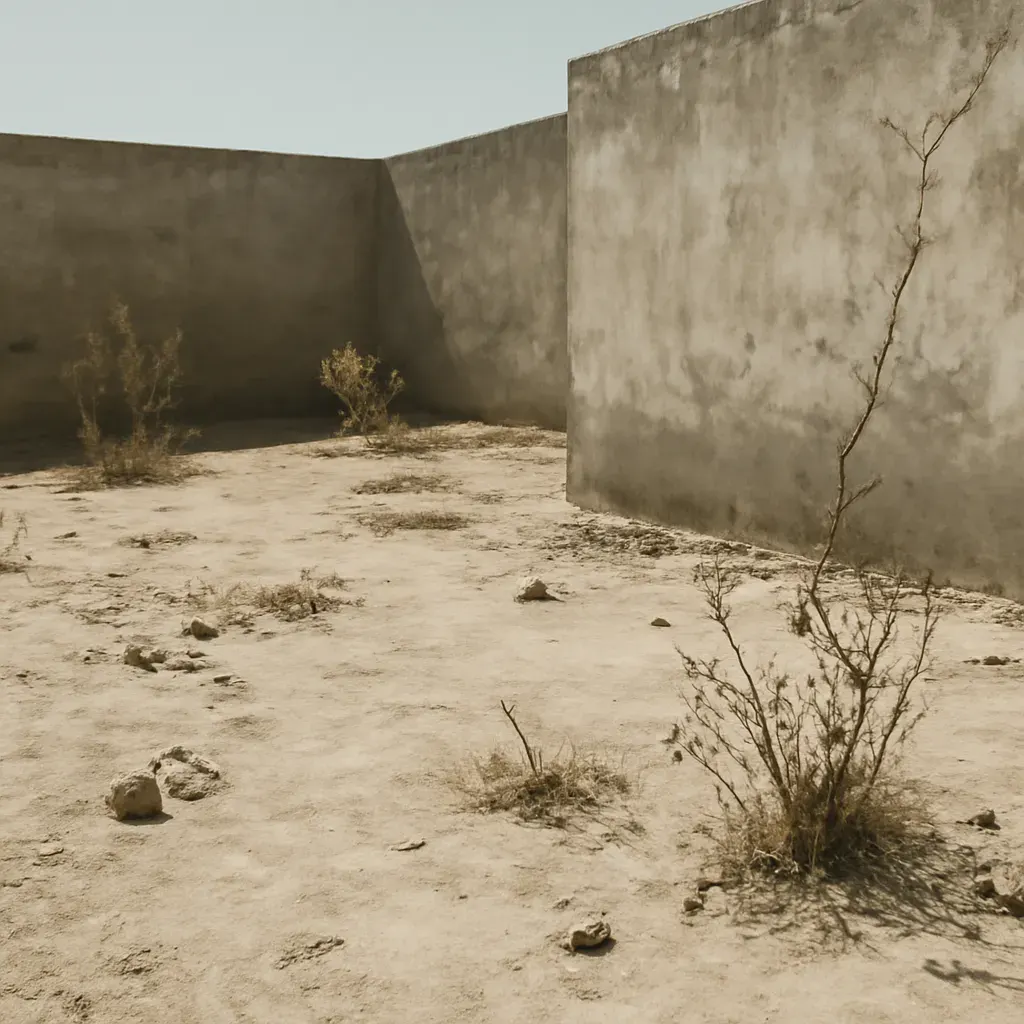
Before: A bare plot with imported soil and a provisional irrigation layout unsuited to the site's drainage. After: A multi-zone designed garden 18 months post-installation — drought-adapted planting beds, basalt stone paths, and a drip irrigation system calibrated to the two primary planting zones.
We carry out a formal site assessment before we design anything. This is a documented step with a written output — not a walk around the garden with a notebook.
The assessment maps the specific micro-conditions of your plot: where the northeast Trade Winds arrive and how exposed each area is; how the sun arc shifts between summer and winter and which beds get reflected heat from volcanic-rock walls in the afternoon; what the soil pH and drainage profile look like, and how they vary across the site. These conditions determine which species will thrive, which will survive, and which will fail — usually in that order.
The written assessment means you have a record of what was found and why each decision was made. If a plant choice is questioned later, we can point to the documented rationale. It also means that if you manage the property from abroad, you can read the assessment yourself rather than relying on a verbal summary from someone you have met once.
We source plants from nurseries that stock species proven in Canary Islands conditions — not from mainland distributors who have delivered the same pallete to a dozen different climate zones. Where locally quarried volcanic basalt or calcareous sandstone is appropriate for hard surfaces, we use it — because it performs in this climate, it looks genuinely of-the-place, and it reduces the embodied carbon of the build.
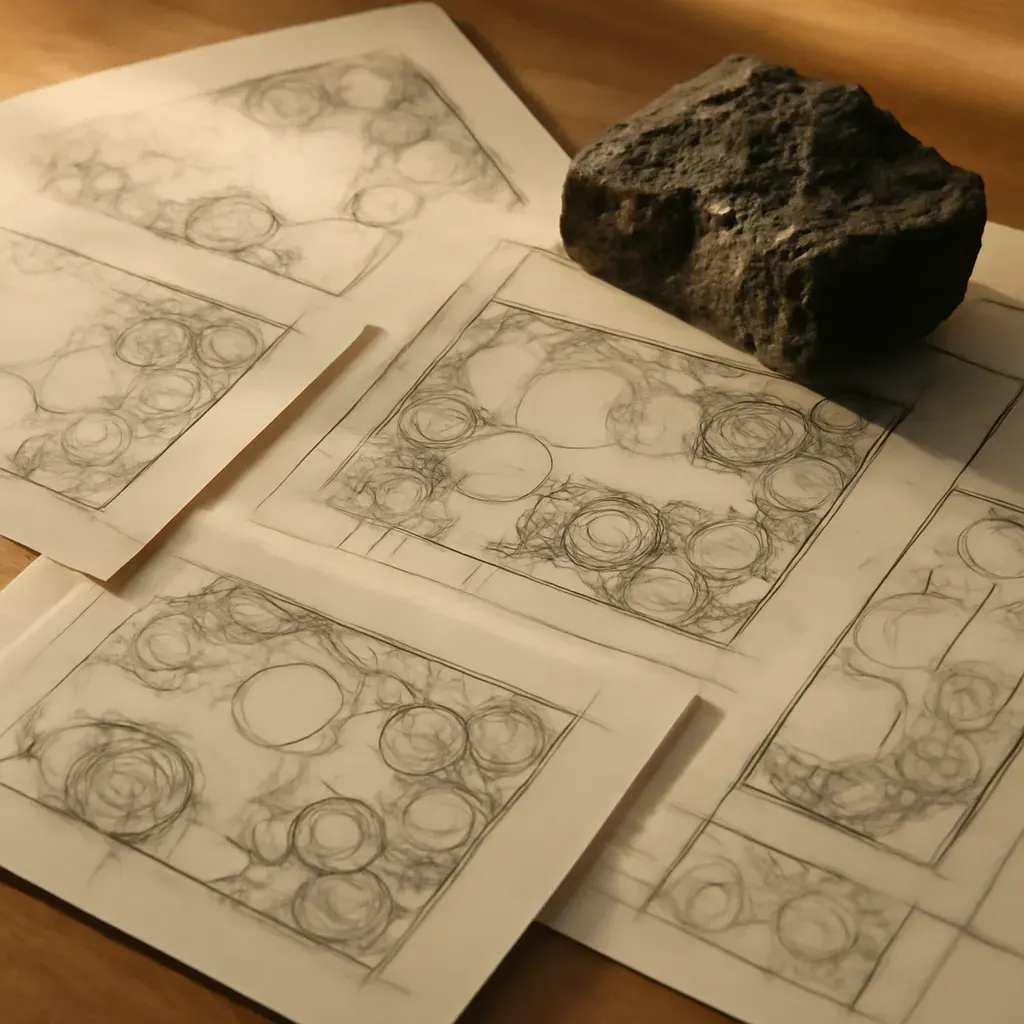
We visit the property and carry out a systematic assessment: soil sampling, wind exposure mapping, sun arc analysis, drainage test, and existing vegetation survey. The findings are written up and shared with you before we proceed.
We produce a full design plan — planting layout, species list with notes on each choice, hard surface specification, and irrigation zone outline. We present it in person or by video, explain every decision, and revise it until it reflects your brief.
We prepare the soil, carry out any earthworks or hard-surface laying, and plant according to the design plan. We keep you updated at each stage — including photographs if you are managing the project remotely.
We return at 30 and 90 days post-installation to assess how the planting is establishing, make any adjustments, and confirm that the irrigation is calibrated correctly for the season.
Design and installation projects start from €800, depending on the size of the site and the scope of work. This includes the site assessment, the design plan, and the installation. Hard surfaces, large specimen trees, and complex irrigation systems affect the final cost — we provide a written quote after the site assessment so you know the full scope before committing. The site assessment is free and carries no obligation.
Book a Free Site AssessmentFill in the form below and we will contact you within 24 hours to arrange a free on-site assessment. No commitment required.